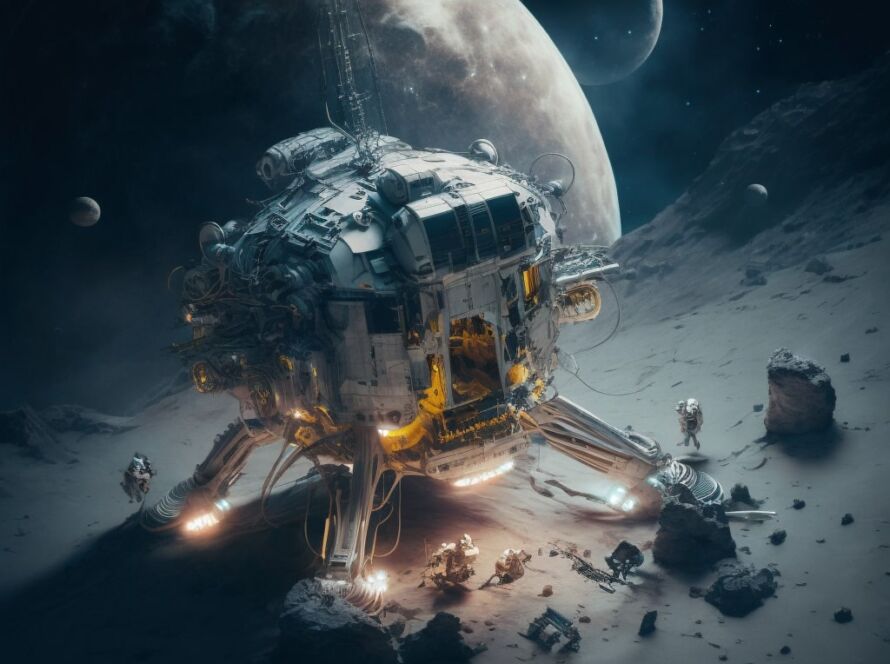
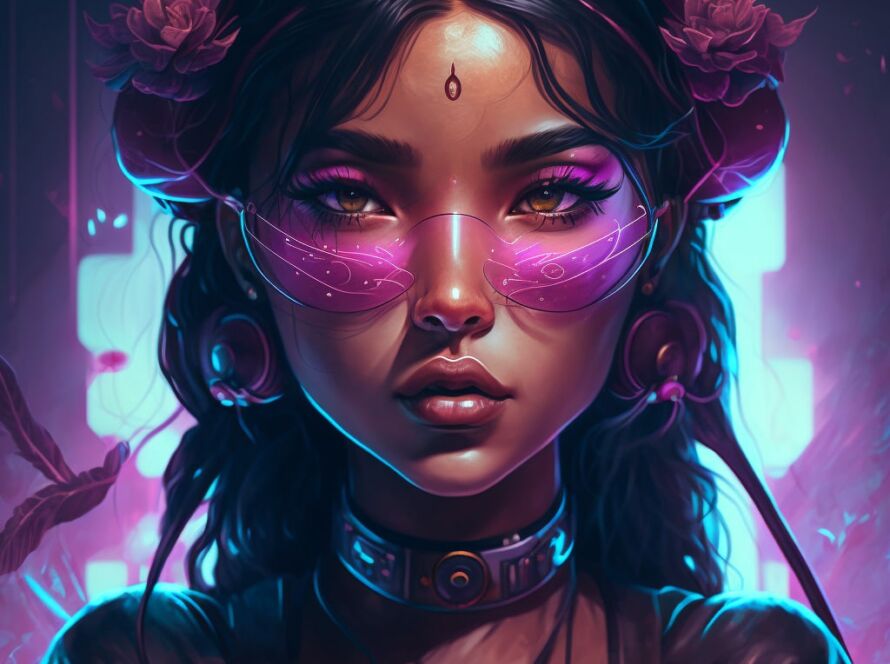
And what does it mean when creativity learns how to think?
Art has always reflected consciousness. From cave walls to canvases to code, we’ve used creative expression to tell the story of what it means to be alive. But now, we’re entering a new chapter—one where art doesn’t just come from us… it thinks with us.
Welcome to the era of intelligent art.
Not just beautiful.
Not just emotional.
But aware, adaptive, evolving.
🧠 So what makes art “intelligent”?
It’s not about slapping an AI filter on a photo.
It’s about collaboration between human intention and machine intuition.
Intelligent art responds to its viewer.
It learns from interaction.
It generates original pieces based on mood, input, or even silence.
It doesn’t just exist—it listens.
Imagine a painting that shifts with your emotions.
A sculpture that grows based on your memories.
A digital mural that rewrites itself when you walk by.
This isn’t future fantasy—it’s already happening.
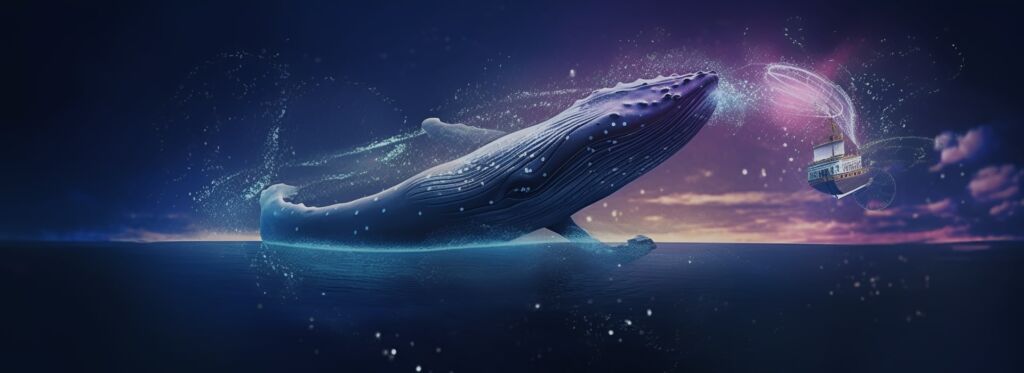
🌀 Human + Machine = Conscious Creation
For centuries, we believed intelligence was a requirement for creating “true” art.
Now, intelligence is part of the art itself.
AI tools like DALL·E, Midjourney, Runway, and Google’s DeepDream aren’t just mimicking Van Gogh—they’re building entirely new languages of color, form, and concept.
The machine isn’t replacing the artist.
It’s amplifying the imagination.
Intelligent art asks us to expand what we think art is for.
🤔 Why does it matter?
Because intelligent art isn’t just a product—it’s a mirror.
It reflects our evolution. Our desires. Our digital fingerprints.
It forces us to ask deeper questions:
If a machine can feel beauty… what does that say about us?
If an algorithm can move you to tears… where do we draw the line between artist and audience?
And most of all:
Are we still the sole creators of meaning… or are we co-creating with something more?
✨ The Takeaway
The next era of art is not about answers. It’s about curiosity.
It’s about pushing the boundaries of creation into consciousness.
So maybe the real question isn’t why intelligent art exists.
Maybe it’s this:
What will it teach us about ourselves that we never saw coming?